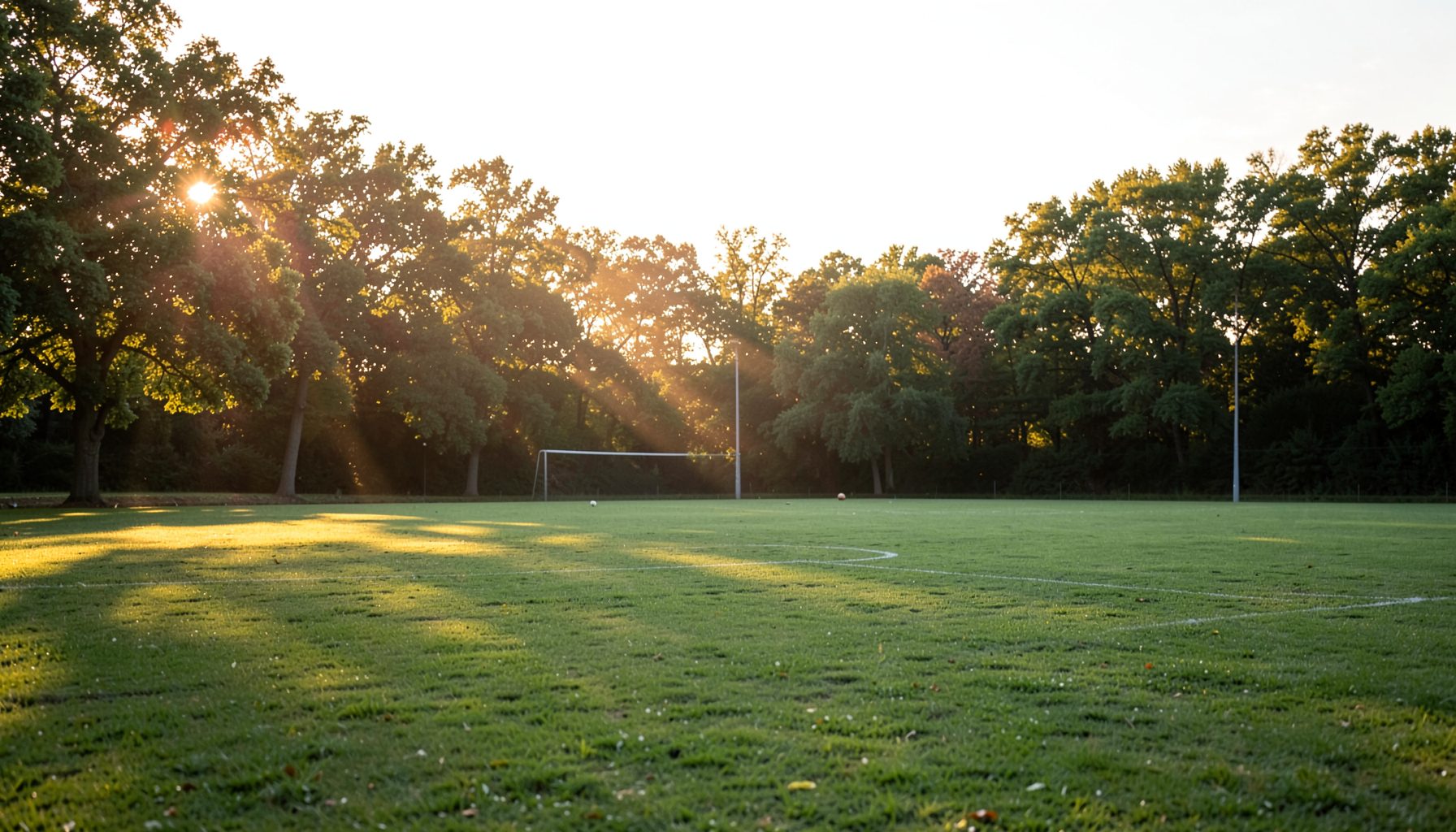
5 Ways Parents Mess Up With Their Young Athletes
Sports are one of the best ways to help in the development of young people — not just as athletes, but as people. The lessons learned through competition, teamwork, and discipline can last a lifetime. But too often, well-meaning parents unintentionally undermine that growth. Here are five common mistakes and how to avoid them.
-
Taking the Fun Out of It
When sports become a pressure-filled job instead of a game, kids burn out. The primary reason young athletes play is to have fun. If every car ride home turns into a critique session, the joy disappears — and so does the motivation to keep showing up.
-
Putting Kids on the "Best" Teams Too Early
Chasing elite travel teams at a young age often means less playing time, less development, and more sitting on the bench. Kids improve by playing, not by wearing a prestigious jersey. Prioritize opportunities for meaningful reps over the name on the uniform.
-
Early Specialization
Picking one sport year-round before high school can lead to overuse injuries, mental fatigue, and missed opportunities to develop well-rounded athleticism. Multi-sport athletes tend to be more durable, more adaptable, and often better at their primary sport in the long run.
-
Poor Practice-to-Game Ratios
Weekend tournaments that pack in five or six games with minimal practice time in between rob young athletes of skill development. Games test what you've learned; practice is where learning actually happens. A healthy ratio favors practice over competition, especially in the developmental years.
-
Lack of an Off-Season
Year-round competition without a true break denies young bodies and minds the recovery they need. An off-season allows athletes to rest, address weaknesses, build strength, and return hungry. Even professional athletes have an off-season — young athletes deserve one too.
Sports should teach life lessons in a forgiving environment. — philosophy shared by strength coach Mike Boyle
The goal isn't to produce a scholarship athlete at age 12. It's to raise a healthy, resilient young person who loves being active and carries those lessons forward — whether or not they ever play beyond high school.
Related Articles
- 3 Questions to Help Your Athletes When Their Career Ends September 28, 2018
- Favorite Conditioning Workouts of Some of My Favorite Strength Coaches April 30, 2018
- 6 Pallof Press Variations for a Rock Solid Core April 18, 2018
- High School Athletes Need More Strength and Less Skill May 22, 2017
More on Youth Development
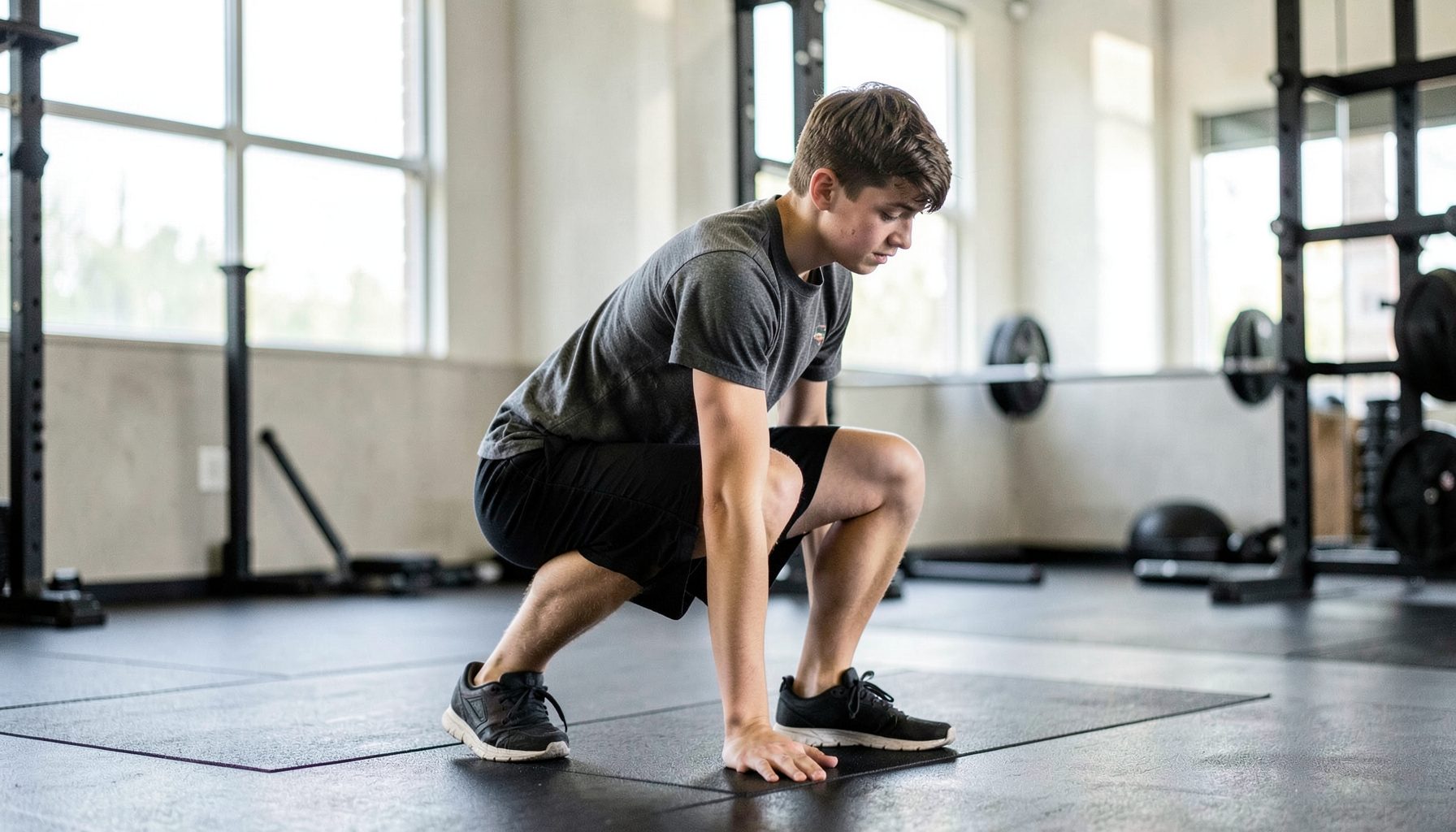
High School Athletes Need More Strength and Less Skill
Why foundational strength training matters more than sport-specific drills for developing high school athletes.
Build Your Base, Build Foot Strength
How foot strength and a solid foundation contribute to injury prevention and athletic performance.
Is Running an Entry Level Exercise?
A thoughtful look at whether running is truly a beginner-friendly activity for young and developing athletes.