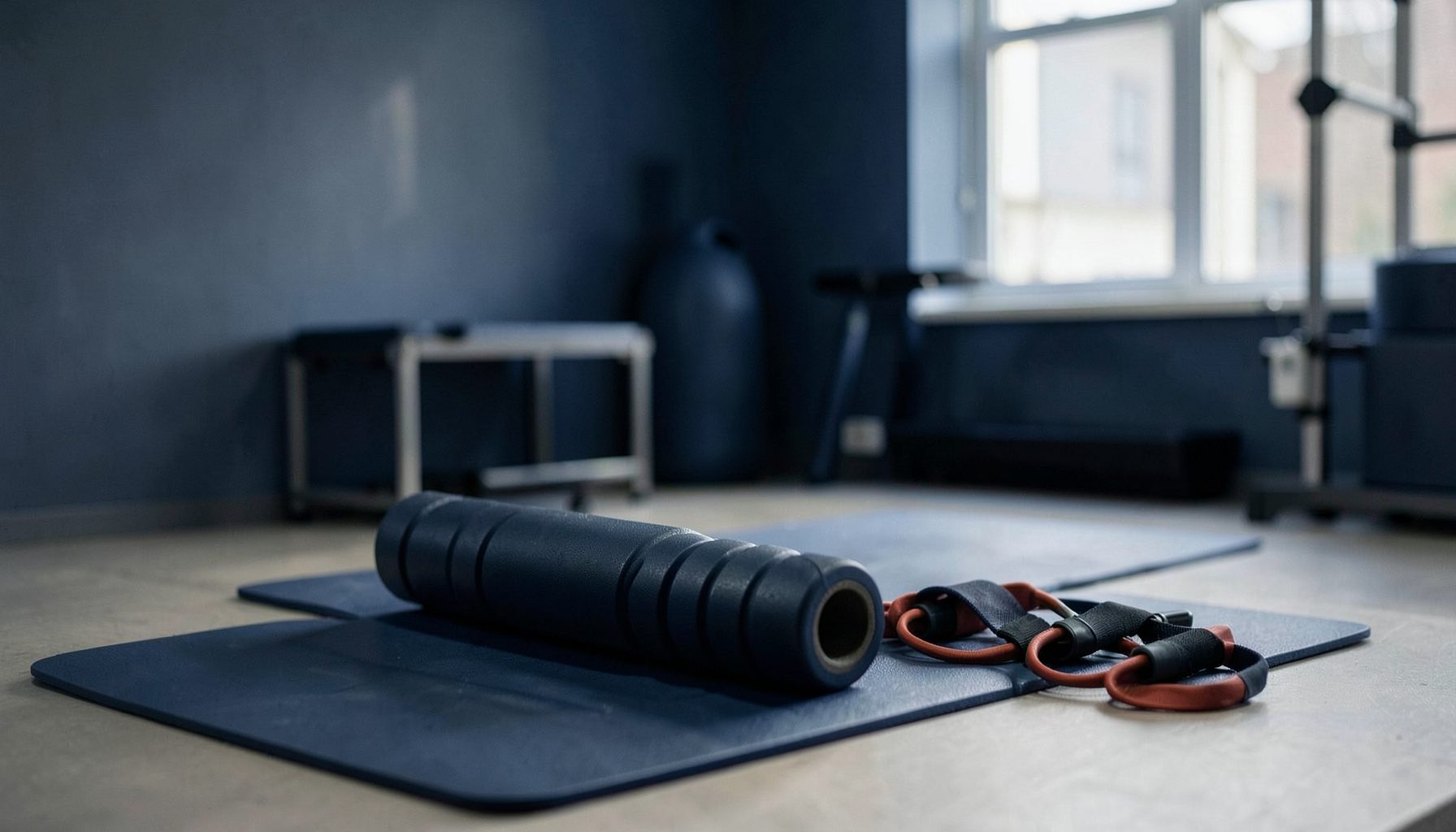
Fix the Root Cause
Most aches and nagging injuries don't come from one bad rep — they build up over years of poor posture, weak stabilizers, and movement patterns that need a reset. The articles here dig into practical corrective strategies: waking up sleepy glutes, loosening tight hip flexors, building foot strength, and training around shoulder issues. No gimmicks, just honest rehab and prehab work grounded in what Mitch Gill has used with hundreds of high school athletes and everyday clients.
The "9 to 5 Back Pain" Series
If you sit at a desk all day, your body adapts — and not in a good way. This four-part series breaks down why your back hurts by 3 p.m. and what to do about it.
Series Breakdown
- Sleepy Glutes: How sitting shuts down your glutes and shifts the workload to your lower back.
- Hip Flexors: Why tight hip flexors pull your pelvis forward and set off a chain reaction of pain.
- Integrating Fixes: Simple activation drills and stretches you can weave into your warm-up or workout.
- Putting It All Together: A practical template for keeping back pain at bay while still training hard.
Posture & Movement Fixes
-
Have Terrible Posture? Try The Bat Wing Hold!
Poor posture often stems from weak upper-back muscles and too much bench pressing. The Bat Wing Hold is a simple corrective drill that teaches your shoulder blades to retract and stabilize.
-
Band Pull-apart: The Shoulder Saver
A deceptively simple move that strengthens the rear delts and external rotators — critical for anyone who presses overhead or sits hunched over a keyboard.
-
Build Your Base, Build Foot Strength
Strong feet are the foundation of every squat, deadlift, and sprint. This article covers why minimalist footwear and foot-strengthening drills matter.
Injury Prevention & Eccentric Training

Is Running an Entry Level Exercise?
Mitch shares his take on why distance running isn't as beginner-friendly as people think — and what runners should address before logging miles.
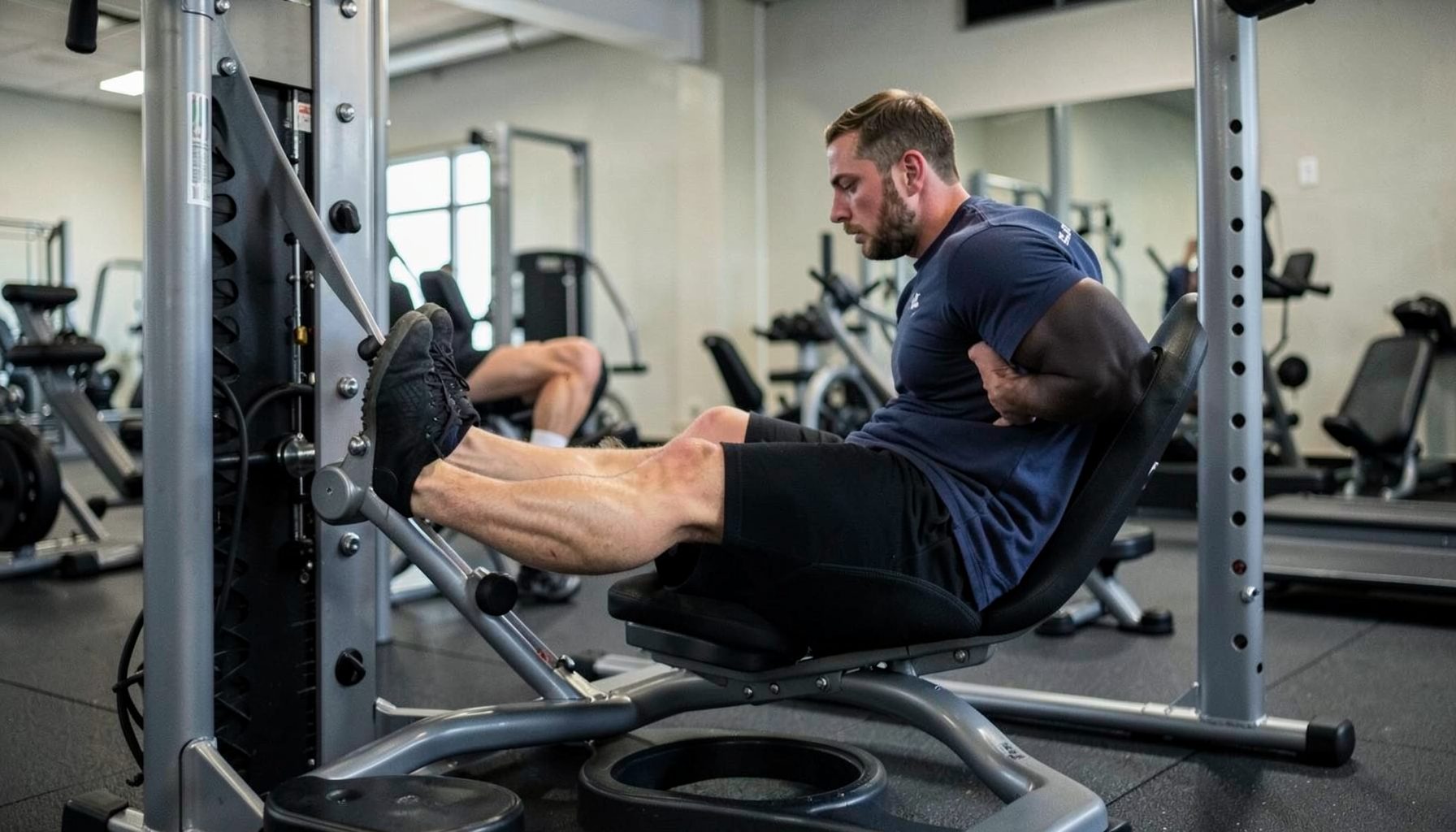
4 Benefits of Eccentric Training
Eccentric work builds tendon resilience, improves control, and reduces injury risk. Here's why the lowering phase deserves as much attention as the lift.
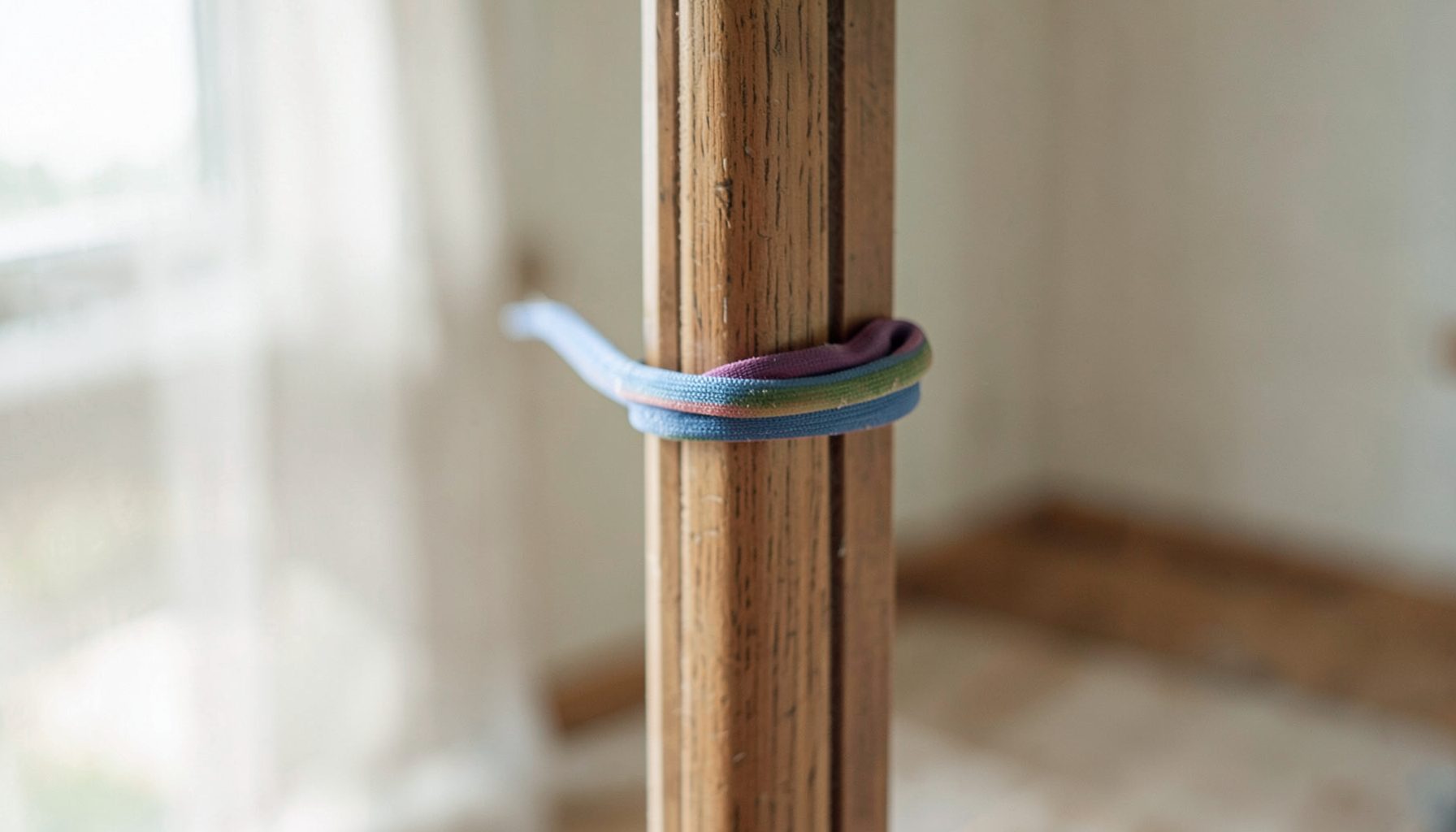
Training With Shoulder Issues
You don't have to stop training. Smart exercise selection — like band pull-aparts and Pallof press variations — can keep you moving while you rehab.
Move Well First
Rehab isn't just for after an injury — it's the foundation of every strong, resilient body. Explore the full archive for more corrective exercise strategies and practical rehab advice.
Explore Fitness Articles