All About The Single-Leg Romanian Deadlift
Few exercises provide the strength and stability stimulus while sparing the spine quite like the single-leg Romanian deadlift. A builder of the always-important posterior chain, the single-leg RDL belongs in the program of athletes and weekend warriors alike.
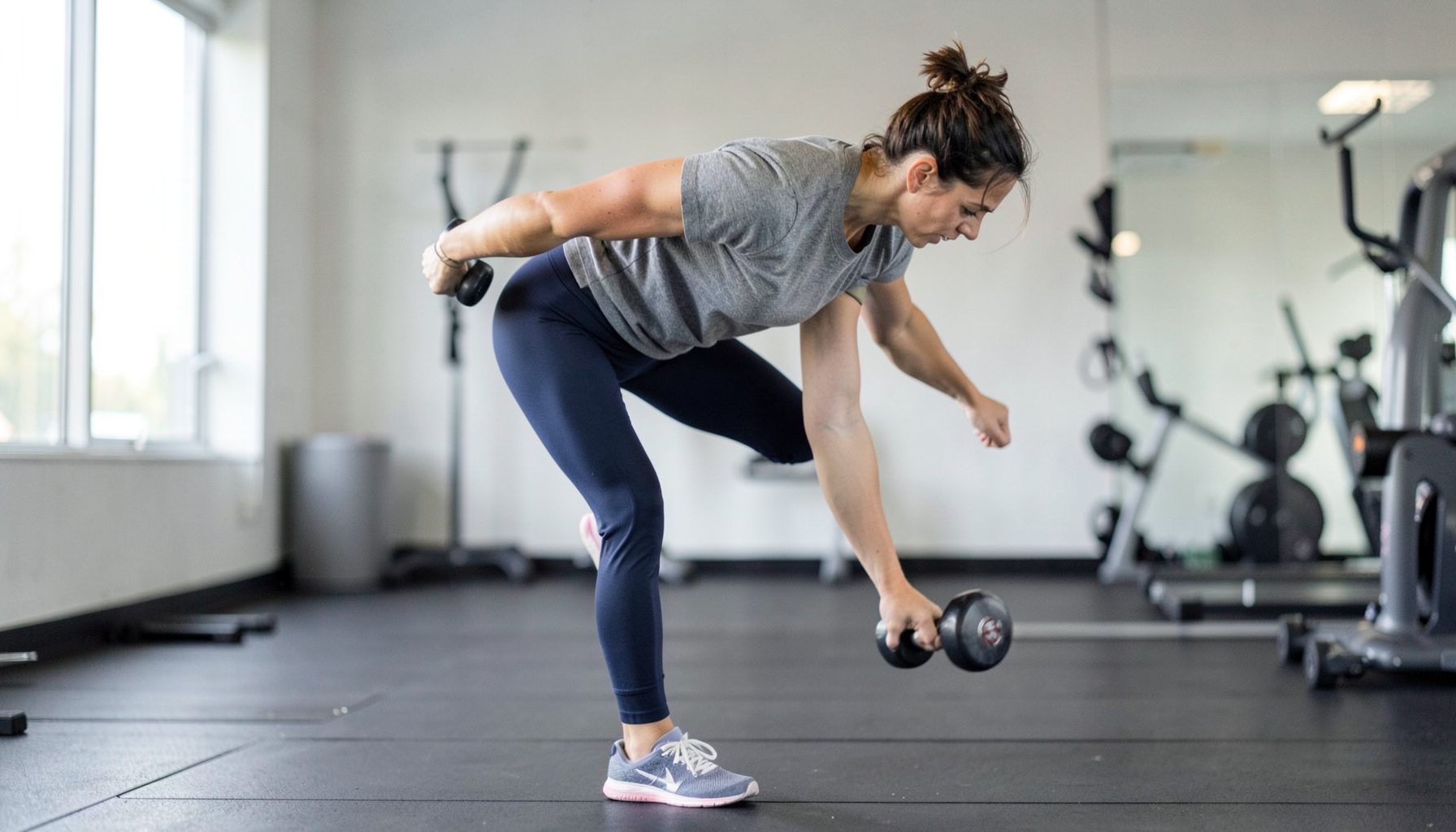
How to Perform a Proper Single-Leg Romanian Deadlift
- Stand tall with feet hip-width apart, holding a dumbbell or kettlebell in the hand opposite your stance leg.
- Shift your weight onto one leg, keeping a soft bend in the knee. The non-working leg stays extended behind you.
- Hinge at the hips, pushing them straight back while maintaining a neutral spine. Think about reaching the tailbone toward the wall behind you.
- Lower the weight along the shin as your torso and back leg move together like a seesaw. Keep your hips square to the floor — don't let them open.
- Descend until you feel a stretch in the hamstring of the stance leg, or until your torso is roughly parallel to the floor.
- Drive through the heel of the stance leg, squeeze the glute, and return to the starting position with control.
Common Mistakes to Avoid
- Rounding the lower back — Keep your spine neutral from head to tailbone. If you can't go lower without rounding, reduce the range of motion.
- Opening the hips — The back hip often wants to rotate outward. Keep both hip bones pointing toward the floor throughout the movement.
- Bending the stance knee too much — This turns the RDL into a single-leg squat. Maintain only a soft bend and hinge from the hips.
- Letting the weight drift away from the body — Keep the dumbbell or kettlebell close to the shin. Drifting forward adds unnecessary stress to the lower back.
- Rushing the movement — The single-leg RDL rewards slow, controlled reps. Speed hides instability.
Progressions & Variations
Once you own the bodyweight version, add load gradually. A contralateral load (weight in the opposite hand) challenges anti-rotation. An ipsilateral load (weight in the same-side hand) shifts the demand. For advanced lifters, try a two-dumbbell variation or perform the movement on an unstable surface.
More Exercise Guides
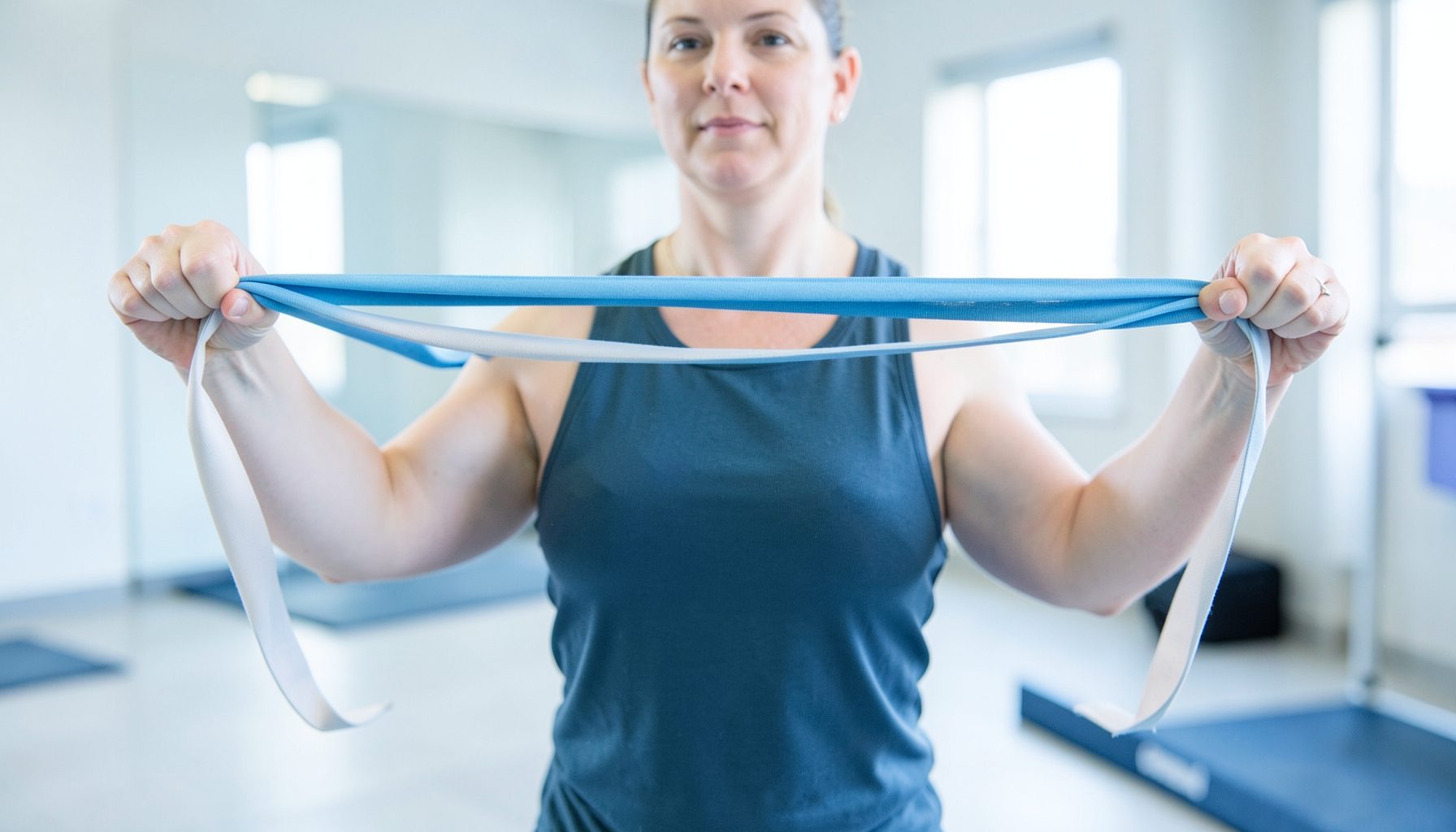
Band Pull-Apart: The Shoulder Saver
Simple but essential. Band pull-apart variations build rear-delt strength, improve posture, and help bulletproof the shoulders against the wear and tear of pressing-heavy programs.
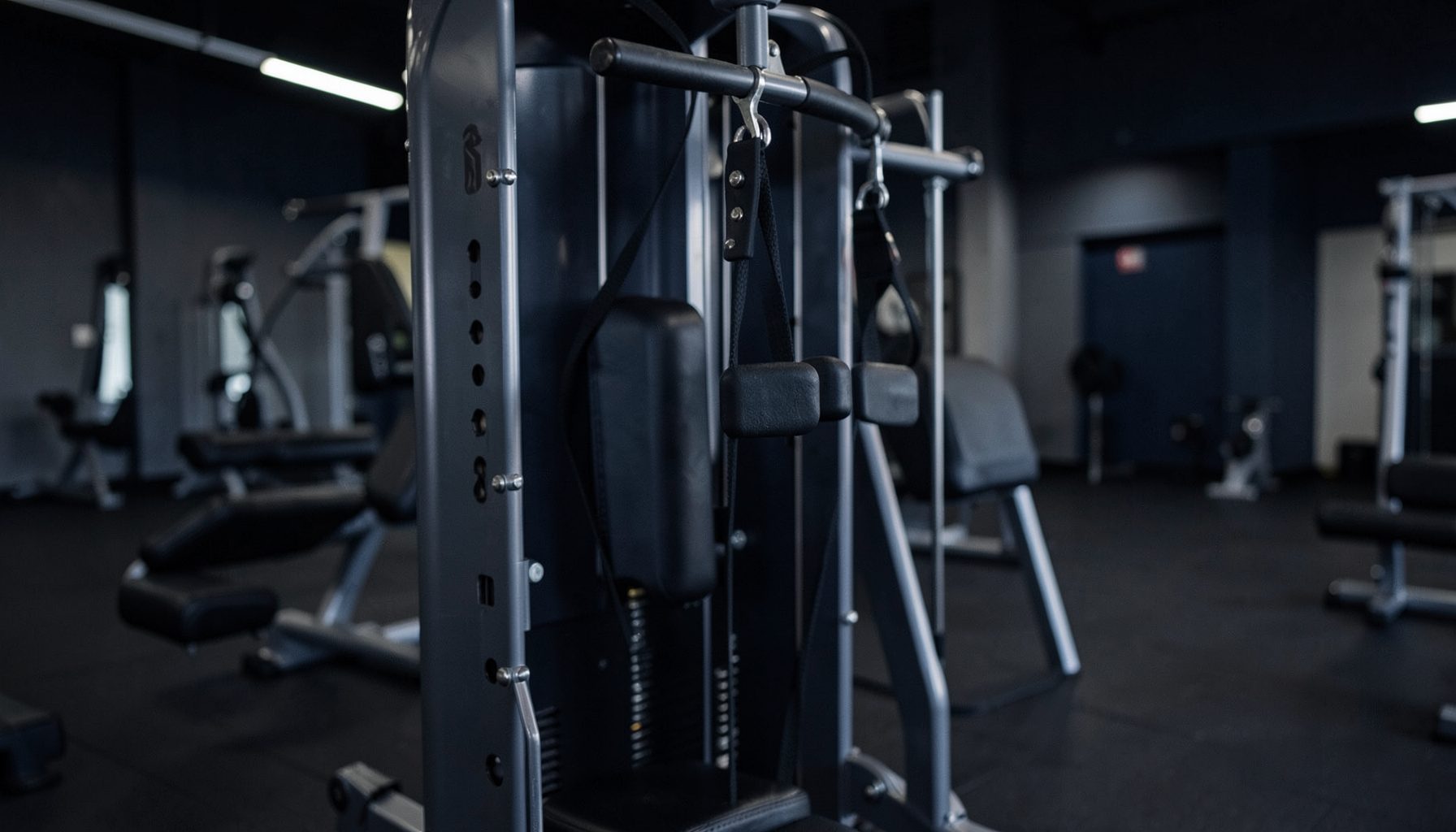
Pallof Press Variations
Anti-rotation core stability at its best. The Pallof press teaches the trunk to resist twisting forces — a must for anyone who lifts heavy or plays rotational sports.
Squat Variations Beyond the Back Squat
Front squats, goblet squats, and split squats each bring unique benefits. Explore alternatives that may fit your body and goals better than the traditional back squat.